
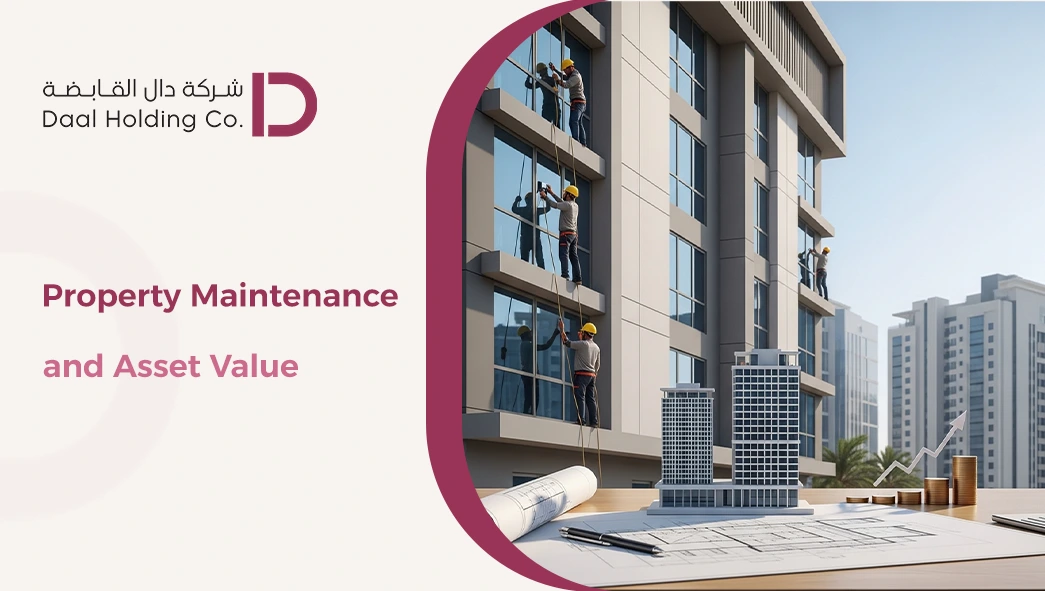
الصيانة كأداة استراتيجية لرفع قيمة العقار
من السهل التعامل مع الصيانة كبند مصروفات يجب تقليله، لكن المستثمر المحترف ينظر إليها كوسيلة لحماية رأس المال وتعزيز العائد. الصيانة المنتظمة تعني الحفاظ على كفاءة الأنظمة الحيوية قبل أن تتعطل، وليس فقط إصلاح الأعطال بعد حدوثها. العقار الذي يخضع لـ صيانة دورية يتمتع غالبًا بـ:- عمر تشغيلي أطول للمرافق.
- انخفاض في الأعطال المفاجئة.
- رضا أعلى لدى المستأجرين.
- قدرة على الحفاظ على مستوى الإيجارات.
كيف تؤثر الصيانة على التقييم السوقي عند البيع؟
عند تقييم العقار للبيع، لا يركز المشتري فقط على الموقع أو المساحة، بل ينظر إلى الحالة الفنية والمخاطر المستقبلية. فكل عطل متوقع يتم احتسابه ضمن السعر. العقار الذي يملك سجلًا واضحًا لأعمال الصيانة:- يمنح المشتري ثقة أكبر.
- يقلل من توقعات المصاريف المستقبلية.
- ينعكس إيجابيًا على التقييم.
إدارة المرافق: الحلقة الخفية في الحفاظ على الأصول
الصيانة العشوائية تختلف تمامًا عن الصيانة المدارة ضمن منظومة احترافية. وهنا يظهر دور إدارة المرافق كعنصر تنظيمي يحمي الأصل من التآكل التدريجي. الإدارة الفعالة تشمل:- وضع خطة صيانة سنوية واضحة.
- جدولة الفحوصات الدورية.
- متابعة أداء الأنظمة.
- قياس كفاءة استهلاك الطاقة.
- التخطيط للإحلال قبل نهاية العمر التشغيلي.
صيانة دورية أم تدخل بعد العطل؟ الفرق في النتائج
لفهم الأثر بوضوح، يمكن مقارنة نموذجين لإدارة عقارين متشابهين:العقار الأول: يعتمد على صيانة دورية
- فحص منتظم للأنظمة.
- استبدال مبكر للأجزاء المستهلكة.
- أعطال أقل.
- إشغال مستقر.
العقار الثاني: يعتمد على التدخل بعد المشكلة
- لا يتم التحرك إلا عند حدوث العطل.
- توقف مفاجئ لبعض المرافق.
- شكاوى متكررة.
- ارتفاع تكاليف الإصلاح.
التأثير المباشر على العائد السنوي وقيمة الأصل
القيمة السوقية ليست العامل الوحيد المتأثر بالصيانة؛ فالعائد التشغيلي يتأثر مباشرة أيضًا. لأن جودة المرافق تؤثر على الإشغال، والإشغال يؤثر على التدفقات النقدية. العقار الذي يُدار بانتظام يحافظ عادةً على:- معدلات إشغال مرتفعة.
- انخفاض فترات الشغور.
- استقرار مستوى الإيجار.
نموذج مالي مبسط يوضح الصورة
لنفترض أن لديك أصلًا عقاريًا بقيمة 10 ملايين ريال يحقق عائدًا سنويًا 8٪، أي 800 ألف ريال سنويًا. إذا تم تخصيص 2٪ من قيمة الأصل سنويًا للصيانة (200 ألف ريال)، مع الحفاظ على إشغال قريب من 100٪، يبقى العائد مستقرًا عند 8٪ تقريبًا. لكن في حال إهمال الصيانة:- انخفاض الإشغال بنسبة 10٪ فقط قد يخفض العائد إلى نحو 720 ألف ريال سنويًا.
- تدهور الحالة الفنية قد يؤدي إلى خصم 10–12٪ من القيمة السوقية عند البيع.
أخطاء تقلل قيمة الأصل دون أن يلاحظها المالك
غالبًا لا يتراجع العقار بسبب قرار واحد كبير، بل نتيجة سلسلة من القرارات الصغيرة المتراكمة. من أبرز الأخطاء:- تأجيل الإصلاحات البسيطة.
- اختيار مقاولين منخفضي التكلفة دون خبرة.
- غياب خطة صيانة واضحة.
- عدم توثيق الأعمال المنفذة.
- التعامل مع الصيانة كرد فعل بدلًا من استراتيجية.
FAQs
هل الصيانة الدورية تضمن زيادة قيمة العقار؟
لا تضمن زيادة مباشرة، لكنها تمنع انخفاض القيمة وتحافظ على الأصل في حالة تنافسية قوية.ما النسبة المناسبة لتخصيصها للصيانة سنويًا؟
عادةً بين 1٪ و3٪ من قيمة العقار، حسب نوعه وعمره وطبيعة استخدامه.هل إدارة المرافق ضرورية للعقارات الصغيرة؟
حتى العقارات الصغيرة تستفيد من خطة صيانة منظمة، لأن الإهمال يؤثر على العائد والإشغال.هل يمكن تعويض ضعف الصيانة بعملية تجديد لاحقة؟
التجديد قد يحسن المظهر، لكنه غالبًا يكون أكثر تكلفة من الصيانة المنتظمة الوقائية.الخاتمة: القيمة تُصان قبل أن تُقَيَّم
قيمة الأصل العقاري لا تُحدد لحظة البيع، بل تُبنى عبر سنوات من الإدارة المنتظمة والعناية الدقيقة. إن فهم صيانة العقارات وتأثيرها على قيمة الأصل يحول الصيانة من مصروف دوري إلى استراتيجية استثمارية تحمي رأس المال وتعزز العائد. إذا كنت تسعى إلى الحفاظ على أصولك العقارية ورفع قيمتها بثبات في السوق السعودي، فإن الإدارة الاحترافية للمرافق وخطط الصيانة المدروسة تصنع الفارق الحقيقي بين أصل ثابت وأصل يتآكل بمرور الوقت. تواصل مع دال القابضة لبناء خطة صيانة متكاملة تحافظ على أصولك وتعزز قيمتها عامًا بعد عام.Many investors believe that a decline in property value happens only because of market fluctuations or changes in supply and demand. In reality, the situation is often different. In many cases, the decline begins within the building itself: overworked air-conditioning systems, frequently malfunctioning elevators, deteriorating finishes, and facilities that lack proper management.
This is where it becomes clear that property maintenance and its impact on asset value are not only about appearance, but about the level of operational stability that keeps a property attractive in the market. Value does not erode suddenly; it gradually declines when small details are neglected.
Maintenance as a Strategic Tool for Increasing Property Value
It is easy to treat maintenance as an expense that should be minimized. However, professional investors see it as a means of protecting capital and enhancing returns. Regular maintenance means preserving the efficiency of vital systems before they fail—not merely fixing problems after they occur.
A property that undergoes routine maintenance typically benefits from:
Longer operational lifespan for facilities
Fewer unexpected breakdowns
Higher tenant satisfaction
Greater ability to maintain rental levels
In contrast, neglect allows small issues to grow into costly repairs that directly affect cash flow. For this reason, maintenance is not simply an operating expense—it is a fundamental pillar in preserving property value and maintaining competitiveness.
How Maintenance Affects Market Valuation When Selling
When evaluating a property for sale, buyers do not focus only on location or size. They also consider the technical condition of the property and potential future risks. Every expected defect is factored into the price.
A property that maintains a clear record of maintenance work:
Builds greater buyer confidence
Reduces expectations of future expenses
Positively influences the valuation
On the other hand, a property suffering from deteriorating facilities may face a noticeable price reduction due to anticipated repair costs.
Therefore, maintaining assets through organized technical management not only protects the property but also strengthens its negotiating position during a sale.
Facility Management: The Hidden Link in Asset Preservation
Random maintenance is very different from maintenance managed within a professional system. This is where facility management plays an important role as an organizational element that protects assets from gradual deterioration.
Effective facility management includes:
Establishing a clear annual maintenance plan
Scheduling periodic inspections
Monitoring system performance
Measuring energy efficiency
Planning replacements before systems reach the end of their lifecycle
In the Saudi market, where air-conditioning and mechanical systems face significant pressure due to climate conditions, precise technical management becomes essential for maintaining operational performance and stable property value.
Facility management here does not mean simply repairing faults—it means managing the entire lifecycle of building systems efficiently to protect the asset in the long term.
Preventive Maintenance vs. Reactive Repairs
To clearly understand the difference, consider two similar properties managed in different ways.
Property One: Preventive Maintenance Approach
Regular system inspections
Early replacement of worn components
Fewer breakdowns
Stable occupancy rates
Property Two: Reactive Maintenance Approach
Repairs only after a failure occurs
Sudden facility shutdowns
Frequent tenant complaints
Higher repair costs
After several years, the first property maintains its market quality, while the second gradually loses its attractiveness. The difference here is not location or market conditions—it is management strategy.
Direct Impact on Annual Returns and Asset Value
Market value is not the only factor affected by maintenance. Operational returns are also directly influenced because the quality of facilities affects occupancy rates, and occupancy affects cash flow.
A well-maintained property usually maintains:
High occupancy rates
Lower vacancy periods
Stable rental levels
Meanwhile, a neglected property may experience gradual declines in occupancy due to operational problems or poor service quality.
A Simple Financial Example
Suppose you own a property asset valued at 10 million SAR generating an annual return of 8%, which equals 800,000 SAR per year.
If you allocate 2% of the property value annually for maintenance (200,000 SAR) and maintain occupancy close to 100%, the return remains stable at around 8%.
However, if maintenance is neglected:
A 10% drop in occupancy may reduce annual income to about 720,000 SAR.
Deteriorating technical conditions could lead to a 10–12% reduction in market value when selling.
This means that the apparent savings from cutting maintenance costs could turn into losses exceeding one million SAR within a few years.
The equation here is clear:
Consistent investment in maintenance is a direct way to protect assets and enhance financial performance—not merely an operational expense.
Mistakes That Gradually Reduce Property Value
Property value rarely declines because of one major decision. Instead, it usually results from a series of small, accumulated mistakes.
Common examples include:
Delaying minor repairs
Hiring low-cost contractors without sufficient expertise
Lack of a clear maintenance plan
Failure to document completed maintenance work
Treating maintenance as a reaction rather than a strategy
These mistakes may not seem serious initially, but over time they lead to gradual deterioration in property quality, which eventually affects occupancy and market value.
Frequently Asked Questions
Does preventive maintenance guarantee an increase in property value?
Not necessarily, but it prevents value decline and keeps the property competitive in the market.
What percentage should be allocated for maintenance annually?
Typically between 1% and 3% of the property value, depending on the property type, age, and usage.
Is facility management necessary for small properties?
Even small properties benefit from structured maintenance plans because neglect can affect both returns and occupancy.
Can renovation compensate for poor maintenance?
Renovation may improve appearance, but it is often more expensive than consistent preventive maintenance.
Conclusion: Value Must Be Maintained Before It Is Evaluated
The value of a real estate asset is not determined only at the moment of sale. It is built through years of consistent management and careful maintenance. Understanding property maintenance and its impact on asset value transforms maintenance from a routine expense into an investment strategy that protects capital and strengthens returns.
If you want to preserve your real estate assets and steadily increase their value in the Saudi market, professional facility management and well-planned maintenance strategies can make the real difference between a stable asset and one that gradually deteriorates over time.
Contact Dal Holding to build a comprehensive maintenance plan that protects your assets and enhances their value year after year.