
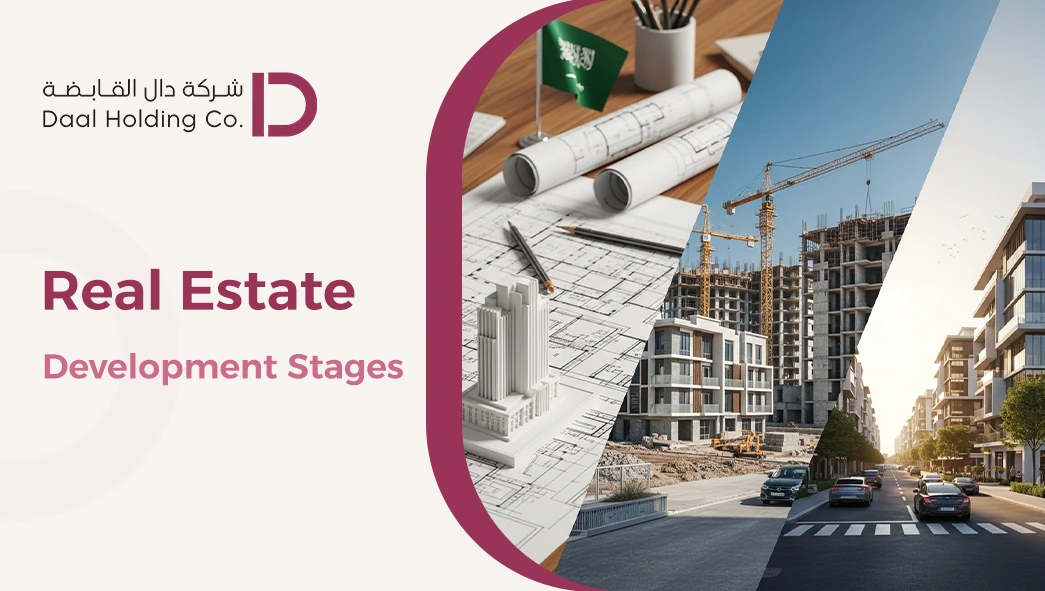
كل مشروع عقاري يبدأ بفكرة؛ قطعة أرض، موقع واعد، أو فرصة استثمارية تبدو مربحة. لكن الفرق بين مشروع ناجح وآخر متعثر لا يكمن في الفكرة فقط، بل في إدارة المراحل التي تليها بدقة وتنظيم. فهم مراحل تطوير مشروع عقاري من الفكرة إلى التسليم يمنح المستثمر رؤية واضحة للمسار الكامل، ويقلل من المفاجآت غير المتوقعة أثناء التنفيذ.
في هذا الدليل العملي، نستعرض المراحل الأساسية لتطوير أي مشروع عقاري، بدايةً من إعداد دراسة جدوى دقيقة، مرورًا بـ استخراج التراخيص، ووصولًا إلى تنفيذ المشروع ومرحلة إدارة المقاولين وحتى التسليم النهائي.
المرحلة الأولى: بلورة الفكرة وتحليل الفرصة الاستثمارية
قبل أي التزام مالي، يجب تحويل الفكرة إلى تصور واضح، وتشمل هذه المرحلة:
- تحديد نوع المشروع (سكني، تجاري، متعدد الاستخدامات).
- تحليل احتياجات السوق في المنطقة المستهدفة.
- دراسة مستوى المنافسة.
- تقدير حجم الطلب المتوقع.
في هذه المرحلة، يتم اختبار جدوى الفكرة مبدئياً قبل الانتقال إلى خطوات أكثر تفصيلاً. كثير من المشاريع تتعثر لأن أصحابها قفزوا مباشرة إلى التنفيذ دون تقييم حقيقي للفرصة.
المرحلة الثانية: إعداد دراسة جدوى شاملة
تُعد دراسة جدوى العمود الفقري لأي تطوير ناجح، وهي لا تقتصر على حساب التكاليف والأرباح فقط، بل تشمل عدة جوانب:
- دراسة مالية: تقدير التكلفة الإجمالية والعائد المتوقع.
- دراسة فنية: تحليل متطلبات البناء والتصميم.
- دراسة تسويقية: فهم الفئة المستهدفة واستراتيجية البيع أو التأجير.
- تحليل المخاطر المحتملة.
إعداد دراسة جدوى دقيقة يساعد في اتخاذ قرار الاستمرار أو تعديل الفكرة قبل ضخ رأس المال. كما أنها أداة أساسية عند التفاوض مع شركاء أو جهات تمويل.
المرحلة الثالثة: التخطيط الهندسي واستخراج التراخيص
بعد اعتماد الدراسة، تبدأ مرحلة التصميم والتخطيط الهندسي، وتشمل هذه المرحلة:
- إعداد المخططات المعمارية والإنشائية.
- مراجعة اشتراطات البلدية.
- استكمال المستندات المطلوبة.
- استخراج التراخيص النظامية.
التأخر في استخراج التراخيص أو عدم الالتزام بالاشتراطات قد يؤدي إلى تعطيل المشروع أو تحمل غرامات إضافية. لذلك، التعامل مع جهات استشارية خبيرة يسهل الإجراءات ويضمن الامتثال الكامل للأنظمة.
المرحلة الرابعة: تنفيذ المشروع وإدارة المقاولين
تبدأ هنا المرحلة الأكثر حساسية: تنفيذ المشروع على أرض الواقع، ونجاح التنفيذ يعتمد على:
- اختيار مقاولين مؤهلين.
- تحديد جدول زمني واضح.
- متابعة التكاليف الفعلية.
- ضبط الجودة في جميع مراحل البناء.
تلعب إدارة المقاولين دوراً حاسماً في هذه المرحلة، حيث تتضمن التنسيق بين الفرق المختلفة، حل المشكلات اليومية، ومراقبة الالتزام بالمواصفات الفنية.
المرحلة الخامسة: الرقابة وضبط الجودة
لا يكفي تنفيذ الأعمال، بل يجب التأكد من مطابقتها للمعايير، وتتضمن الرقابة:
- فحص الأعمال الإنشائية.
- مراجعة جودة المواد المستخدمة.
- التأكد من الالتزام بالمخططات.
- اختبار الأنظمة الكهربائية والميكانيكية.
هذه الخطوة تحمي المشروع من عيوب مستقبلية قد تؤثر على سمعته أو قيمته السوقية.
المرحلة السادسة: التسويق والاستعداد للتسليم
قبل اكتمال المشروع، يجب البدء بخطة تسويقية واضحة تشمل:
- تحديد استراتيجية البيع أو التأجير.
- إعداد مواد تسويقية احترافية.
- وضع خطة تسعير مدروسة.
- التفاوض مع المشترين أو المستأجرين.
التسويق المبكر يقلل من فترة الانتظار بعد الإنجاز ويسرّع استرداد رأس المال.
المرحلة السابعة: التسليم وإغلاق المشروع
تمثل هذه المرحلة خاتمة دورة التطوير، وتشمل:
- تسليم الوحدات للعملاء.
- إنهاء العقود مع المقاولين.
- مراجعة الحسابات النهائية.
- تقييم الأداء العام للمشروع.
إغلاق المشروع بطريقة منظمة يضمن جاهزية المطور للمشاريع القادمة بثقة أكبر.
جدول يوضح مراحل التطوير بإيجاز
| المرحلة | الهدف الرئيسي | أهم التحديات |
| دراسة الفكرة | تقييم الفرصة | تقدير غير دقيق للطلب |
| دراسة جدوى | تحليل مالي وفني شامل | تفاؤل مبالغ فيه بالعوائد |
| استخراج التراخيص | الامتثال النظامي | تأخر الموافقات |
| تنفيذ المشروع | البناء وفق الخطة | تجاوز الميزانية |
| إدارة المقاولين | ضبط الجودة والوقت | ضعف التنسيق |
| التسويق والتسليم | تحقيق العائد | بطء البيع أو التأجير |
FAQs
كم تستغرق مراحل تطوير مشروع عقاري عادة؟
تعتمد المدة على حجم المشروع، لكنها قد تتراوح بين عدة أشهر إلى عدة سنوات حسب التعقيد والإجراءات النظامية.
ما أهمية دراسة الجدوى قبل التطوير؟
تساعد دراسة الجدوى على تحديد العائد المتوقع وتقييم المخاطر قبل بدء التنفيذ.
هل يمكن تنفيذ المشروع دون شركة متخصصة؟
ممكن نظرياً، لكن الاستعانة بخبرة احترافية تقلل الأخطاء وتزيد من كفاءة التنفيذ.
ما أكثر مرحلة تتسبب في تأخير المشاريع؟
غالباً ما تكون مرحلة استخراج التراخيص أو ضعف إدارة المقاولين.
الخاتمة: التخطيط المحكم هو أساس النجاح
إذا كنت تخطط لتطوير مشروع عقاري وتبحث عن إدارة احترافية تضمن تنفيذاً منظماً وتسليماً في الوقت المحدد، فإن فريق دال القابضة يوفر خبرة متكاملة في دراسة الجدوى، التخطيط، التنفيذ، والإشراف على جميع مراحل التطوير.
تواصل اليوم مع دال القابضة وابدأ مشروعك بثقة مبنية على خبرة عملية ورؤية استراتيجية واضحة.
Every real estate project begins with an idea: a piece of land, a promising location, or an investment opportunity that appears profitable. However, the difference between a successful project and a struggling one lies not only in the idea itself, but in how the subsequent stages are managed with precision and organization. Understanding the stages of real estate development from concept to delivery gives investors a clear vision of the entire process and helps reduce unexpected surprises during execution.
In this practical guide, we review the main stages involved in developing any real estate project, starting with preparing a feasibility study, moving through obtaining licenses, and reaching the construction phase, contractor management, and final delivery.
Stage One: Defining the Idea and Analyzing the Investment Opportunity
Before making any financial commitment, the idea must be transformed into a clear concept. This stage includes:
Determining the type of project (residential, commercial, or mixed-use)
Analyzing market needs in the target area
Studying the level of competition
Estimating expected demand
At this stage, the feasibility of the idea is tested initially before moving on to more detailed steps. Many projects struggle because developers jump directly into execution without properly evaluating the opportunity.
Stage Two: Preparing a Comprehensive Feasibility Study
A feasibility study is the backbone of any successful development project. It does not only calculate costs and profits but also covers several aspects:
Financial study: Estimating total cost and expected return
Technical study: Analyzing construction and design requirements
Market study: Understanding the target audience and the strategy for selling or leasing
Risk analysis: Identifying potential challenges
Preparing a thorough feasibility study helps determine whether to proceed with the project or adjust the concept before investing capital. It is also an essential tool when negotiating with partners or financing institutions.
Stage Three: Engineering Planning and Obtaining Permits
Once the feasibility study is approved, the project moves into the design and engineering planning phase. This stage includes:
Preparing architectural and structural plans
Reviewing municipal regulations and requirements
Completing the necessary documentation
Obtaining official licenses and permits
Delays in obtaining permits or failing to comply with regulations may cause project disruptions or additional penalties. Therefore, working with experienced consulting firms can streamline the process and ensure full regulatory compliance.
Stage Four: Project Execution and Contractor Management
This stage marks the most critical phase: executing the project on the ground. Successful execution depends on:
Selecting qualified contractors
Establishing a clear timeline
Monitoring actual costs
Maintaining quality control throughout construction
Contractor management plays a crucial role here, as it involves coordinating between different teams, resolving daily issues, and ensuring compliance with technical specifications.
Stage Five: Monitoring and Quality Control
It is not enough to simply execute the work; it must also meet established standards. Quality control includes:
Inspecting structural work
Reviewing the quality of materials used
Ensuring compliance with approved plans
Testing electrical and mechanical systems
This stage protects the project from future defects that could affect its reputation or market value.
Stage Six: Marketing and Preparing for Delivery
Before the project is completed, a clear marketing strategy should already be in place. This includes:
Determining the sales or leasing strategy
Preparing professional marketing materials
Establishing a well-researched pricing plan
Negotiating with buyers or tenants
Early marketing reduces waiting time after completion and accelerates capital recovery.
Stage Seven: Project Delivery and Closure
This stage represents the conclusion of the development cycle and includes:
Delivering units to clients
Finalizing contracts with contractors
Reviewing final financial accounts
Evaluating overall project performance
Closing the project in an organized manner ensures the developer is well prepared to move forward with future projects confidently.
Summary Table of Development Stages
| Stage | Main Objective | Key Challenges |
|---|---|---|
| Idea Study | Evaluate the opportunity | Inaccurate demand estimation |
| Feasibility Study | Comprehensive financial and technical analysis | Overly optimistic return expectations |
| Obtaining Permits | Regulatory compliance | Approval delays |
| Project Execution | Construction according to plan | Budget overruns |
| Contractor Management | Maintain quality and timeline | Poor coordination |
| Marketing and Delivery | Achieve return on investment | Slow sales or leasing |
Frequently Asked Questions
How long do real estate development stages usually take?
The duration depends on the size of the project, but it may range from several months to several years depending on complexity and regulatory procedures.
Why is a feasibility study important before development?
A feasibility study helps estimate expected returns and evaluate risks before starting execution.
Can a project be executed without a specialized company?
It is theoretically possible, but professional expertise significantly reduces mistakes and improves execution efficiency.
Which stage most often delays projects?
Delays are commonly caused by permit approvals or weak contractor management.
Conclusion: Careful Planning Is the Foundation of Success
If you are planning to develop a real estate project and are looking for professional management that ensures organized execution and on-time delivery, Dal Holding offers comprehensive expertise in feasibility studies, planning, implementation, and supervision across all stages of development.
Contact Dal Holding today and start your project with confidence built on practical experience and a clear strategic vision.