
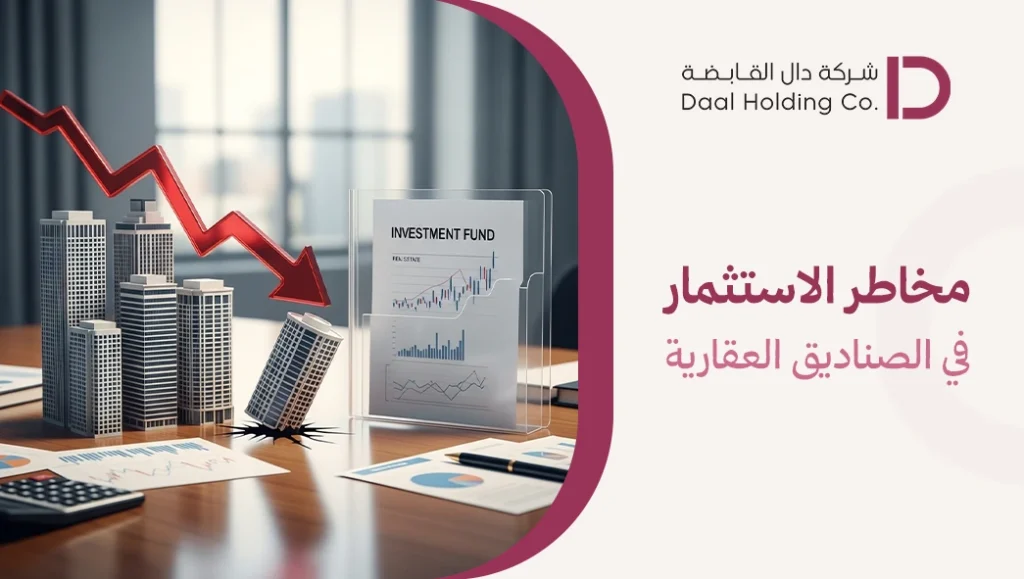
هل الصناديق العقارية آمنة فعلاً؟ نظرة واقعية على طبيعة المخاطر
الصناديق العقارية (REITs) تستثمر في أصول مدرة للدخل مثل المكاتب، المراكز التجارية، المستودعات، والفنادق. وبالتالي فهي تتأثر بعدة عوامل:- أداء القطاع العقاري.
- الظروف الاقتصادية العامة.
- أسعار الفائدة.
- مستوى الطلب على الإيجارات.
كيف يؤثر تقلب السوق على استثمارك في الصندوق؟
بما أن العديد من الصناديق العقارية مدرجة في السوق المالية، فإن سعر الوحدة قد يرتفع أو ينخفض وفقاً لعوامل اقتصادية عامة، حتى لو كانت العقارات نفسها مستقرة. قد يتأثر السعر بسبب:- تغير أسعار الفائدة.
- تباطؤ اقتصادي مؤقت.
- تراجع شهية المستثمرين.
لماذا تنخفض التوزيعات أحياناً؟ الأسباب التي يجب أن تعرفها قبل الاستثمار
يسعى كثير من المستثمرين إلى الصناديق العقارية بحثاً عن دخل دوري، لكن انخفاض التوزيعات قد يحدث في بعض الحالات. أسباب محتملة لذلك:- تراجع نسب الإشغال.
- انتهاء عقود إيجار كبيرة.
- زيادة التكاليف التشغيلية.
- ارتفاع تكاليف التمويل.
إدارة الصندوق: العامل الخفي الذي يصنع الفارق بين الربح والتراجع
تلعب إدارة الصندوق دوراً أساسياً في ضبط مستوى المخاطر وتحقيق قدر من الاستقرار في الأداء. فاختيار الأصول المناسبة، والتفاوض على عقود الإيجار، والتحكم في المصاريف التشغيلية، واتخاذ قرارات التوسع جميعها ترتبط مباشرة بكفاءة الجهة المديرة وخبرتها في السوق. ومن هنا تبرز أهمية إدارة الصناديق العقارية كعنصر حاسم في حماية أموال المستثمرين وتعزيز استدامة العوائد. فالإدارة الاحترافية تعمل على:- تنويع الأصول لتقليل الاعتماد على قطاع واحد.
- الحفاظ على نسب إشغال مستقرة.
- ترشيد التكاليف وتعظيم الكفاءة التشغيلية.
- إدارة الديون بصورة متوازنة ومدروسة.
الديون والتمويل: متى تتحول إلى مخاطر مالية تهدد العائد؟
من الجوانب التي قد لا ينتبه لها المستثمر المبتدئ هي المخاطر المالية الناتجة عن استخدام التمويل، فبعض الصناديق تعتمد على الاقتراض لتمويل توسعاتها، وهو أمر طبيعي في القطاع العقاري. لكن ارتفاع مستوى الديون قد يؤدي إلى:- ضغط على التدفقات النقدية.
- تأثر الأرباح بارتفاع أسعار الفائدة.
- انخفاض صافي العائد للمستثمر.
هل المخاطر في الصناديق أعلى من التملك المباشر؟
السؤال الشائع هو: هل الصناديق العقارية أكثر خطورة من شراء عقار مباشر؟ الحقيقة أن نوع المخاطر يختلف، حيث في التملك المباشر، أنت معرض لمخاطر عقار واحد فقط. أما في الصناديق، فالمخاطر موزعة على عدة أصول، لكنك تتأثر بعوامل السوق العامة. الاختيار بين النموذجين يعتمد على:- مدى تقبلك للتقلبات السعرية.
- رغبتك في الإدارة المباشرة.
- قدرتك على تنويع استثماراتك.
جدول توضيحي: نوع الخطر وكيفية الحد منه
| نوع الخطر | التأثير المحتمل | طريقة الحد منه |
| تقلب السوق | انخفاض سعر الوحدة مؤقتًا | الاستثمار طويل الأجل |
| انخفاض التوزيعات | تراجع الدخل الدوري | مراجعة أسباب الانخفاض |
| ضعف إدارة الصندوق | أداء غير مستقر | اختيار صندوق بإدارة ذات خبرة |
| مخاطر مالية | ضغط على الأرباح | تحليل نسبة الديون |
كيف تقيّم مستوى المخاطر قبل الاستثمار؟
قبل الاستثمار في أي صندوق، تأكد من:- مراجعة التقارير المالية الدورية.
- تحليل مستوى الديون.
- متابعة استقرار التوزيعات.
- تقييم خبرة إدارة الصندوق.
- فهم طبيعة الأصول داخل المحفظة.
الأسئلة الشائعة
هل الصناديق العقارية خالية من المخاطر؟
لا يوجد استثمار بلا مخاطر، لكن فهمها يساعد على إدارتها بوعي.هل تقلب السوق يعني خسارة دائمة؟
ليس بالضرورة، فقد يكون التقلب مؤقتًا حسب الظروف الاقتصادية.ما أهمية تنويع الأصول داخل الصندوق؟
التنويع يقلل من تأثير تراجع قطاع واحد على إجمالي الأداء.هل يمكن تقليل المخاطر بالكامل؟
لا يمكن إلغاؤها، لكن يمكن تقليلها من خلال اختيار الصندوق المناسب.هل الصناديق العقارية مناسبة للمستثمر المحافظ؟
نعم، بشرط اختيار صندوق بإدارة قوية وأصول مستقرة والوعي بتأثير تقلب السوق على المدى القصير.الخاتمة: المعرفة هي خط الدفاع الأول
فهم مخاطر الاستثمار في الصناديق العقارية يمنحك قدرة أكبر على اتخاذ قرار مدروس بعيداً عن التوقعات غير الواقعية، لأن إدارة المخاطر بوعي هي ما يصنع الفارق بين عائد مستقر وتجربة متذبذبة. لتحليل الفرص باحتراف وتقييم الصناديق بثقة، تواصل مع دال القابضة واحصل على استشارة متخصصة تساعدك على اختيار الاستثمار الأنسب لأهدافك المالية.Can your investment in a real estate fund turn from a source of regular income into a decision that causes concern? The truth is that attractive returns may hide underlying risk factors that many investors overlook. Understanding the risks of investing in real estate funds is not about questioning their value; rather, it is an essential step in protecting your capital and making decisions based on thoughtful analysis rather than promises of returns alone.
In this article, we will review the most important potential risks, including market volatility, declining distributions, fund management quality, and financial risks related to financing, while explaining how to evaluate these risks and reduce their impact on your investment in the Saudi market.
Are Real Estate Funds Truly Safe? A Realistic Look at Investment Risks
Real estate investment trusts (REITs) invest in income-generating assets such as offices, shopping centers, warehouses, and hotels. As a result, they are influenced by several factors, including:
Performance of the real estate sector
General economic conditions
Interest rates
Demand for rental properties
Unlike direct property ownership, you do not manage the asset yourself. Instead, you rely on a professional management structure. For this reason, understanding the risks of investing in real estate funds requires looking at the complete picture: the market, the management team, and the financing structure.
How Market Volatility Can Affect Your Fund Investment
Since many real estate funds are listed on financial markets, the price of a unit may rise or fall according to general economic factors—even if the underlying properties remain stable.
Unit prices may fluctuate due to:
Changes in interest rates
Temporary economic slowdowns
Decreased investor demand
It is important to distinguish between short-term volatility caused by market conditions and a structural decline in asset performance. Long-term investors are usually less affected by daily price movements, but they must recognize that market volatility is a natural part of investing in traded assets.
Why Do Distributions Sometimes Decline?
Many investors turn to real estate funds seeking regular income, but distributions may occasionally decrease.
Possible reasons include:
Declining occupancy rates
Expiration of major lease agreements
Increased operating costs
Higher financing expenses
A reduction in distributions does not necessarily mean the fund is failing; it may indicate a transitional phase or temporary challenges. Therefore, it is important to review financial reports and understand the reasons behind changes instead of making hasty decisions.
Fund Management: The Hidden Factor Behind Performance
Fund management plays a critical role in controlling risk levels and maintaining performance stability. Selecting the right properties, negotiating lease agreements, managing operating costs, and making expansion decisions are all directly linked to the competence and experience of the fund’s management team.
This is why real estate fund management is a key factor in protecting investors’ capital and ensuring sustainable returns. Professional management teams typically work to:
Diversify assets to reduce reliance on a single sector
Maintain stable occupancy rates
Optimize operational costs and efficiency
Manage debt in a balanced and strategic way
When evaluating any fund, it is not enough to consider the return alone. Investors should also review the experience and track record of the management team, as management quality can be the true difference between a stable investment and one that is prone to volatility.
Debt and Financing: When Do They Become Financial Risks?
One aspect that beginner investors often overlook is the financial risk associated with financing. Some funds rely on borrowing to finance expansions, which is common in the real estate sector. However, excessive debt levels may lead to:
Pressure on cash flows
Reduced profits when interest rates rise
Lower net returns for investors
For this reason, analyzing the debt-to-asset ratio is an important indicator when assessing the financial risks associated with a real estate fund.
Are Real Estate Funds Riskier Than Direct Property Ownership?
A common question is whether real estate funds are riskier than buying property directly.
In reality, the type of risk differs between the two approaches.
With direct property ownership, you are exposed to the risks of a single property.
With real estate funds, risks are distributed across multiple assets, but the investment is more exposed to general market factors.
Choosing between the two depends on several factors, including:
Your tolerance for price fluctuations
Your willingness to manage property directly
Your ability to diversify your investments
Risk Overview Table and How to Reduce It
| Type of Risk | Potential Impact | How to Reduce It |
|---|---|---|
| Market volatility | Temporary decline in unit price | Adopt a long-term investment strategy |
| Declining distributions | Reduced periodic income | Review the reasons behind the decline |
| Weak fund management | Unstable performance | Choose a fund with experienced management |
| Financial risk | Pressure on profits | Analyze the debt ratio |
How to Evaluate Risk Before Investing
Before investing in any real estate fund, make sure to:
Review periodic financial reports
Analyze the fund’s debt level
Monitor the stability of profit distributions
Evaluate the experience of the fund management team
Understand the types of assets within the portfolio
Following these steps helps reduce uncalculated exposure to the risks of investing in real estate funds.
Frequently Asked Questions
Are real estate funds risk-free?
No investment is completely risk-free, but understanding risks helps manage them more effectively.
Does market volatility mean permanent loss?
Not necessarily. Volatility may be temporary depending on economic conditions.
Why is asset diversification important within a fund?
Diversification reduces the impact of a downturn in any single sector on overall performance.
Can risks be completely eliminated?
No, but they can be minimized by carefully selecting the right fund.
Are real estate funds suitable for conservative investors?
Yes, provided the fund has strong management, stable assets, and investors understand the impact of short-term market fluctuations.
Conclusion: Knowledge Is Your First Line of Defense
Understanding the risks of investing in real estate funds gives you greater ability to make informed decisions free from unrealistic expectations. Effective risk management is what ultimately distinguishes a stable return from a volatile investment experience.
To professionally analyze opportunities and evaluate funds with confidence, contact Dal Holding and receive specialized consultation to help you choose the investment that best aligns with your financial goals.